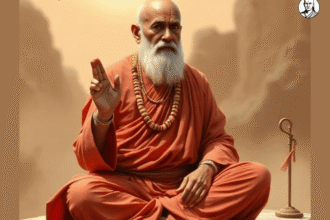

If a blind person could suddenly see, the first thing he would throw away is the stick that always supported him.
This is the harsh truth of life that people often forget those who helped them.
Chanakya
अगर अंधे व्यक्ति को दिखने लग जाए,
तो सबसे पहले वह उस छड़ी को फेंकता है
जिसने उसका हमेशा साथ दिया..!
यही जीवन का कठोर सत्य है कि
लोग अक्सर सहारा देने वालों को भूल जाते हैं।
Understanding the Wisdom What Does This Niti Mean?
Chanakya presents a powerful metaphor about human nature and gratitude through the story of a blind person and their walking stick. This teaching reveals one of the most painful truths about human behavior ingratitude.
The walking stick in this metaphor represents anyone or anything that has supported us during our difficult times. It could be a mentor who guided us when we were lost, a friend who stood by us when we had nothing, parents who sacrificed for our education, or even circumstances that shaped our character through hardship.
When the blind person gains sight, their first instinct is to discard the stick. Why? Because they no longer see its value. They can now see the world clearly and believe they no longer need the support that was once essential to their survival. This is precisely how many people behave when they achieve success or overcome their struggles.
Chanakya is highlighting a fundamental flaw in human nature we tend to value things and people only when we need them. Once we move past our difficulties and achieve a better position in life, we often forget the ladder that helped us climb. We forget the people who believed in us when nobody else did, who lent us money when we were broke, who gave us opportunities when we were unknown.
This ingratitude is not always intentional or malicious. Sometimes it happens because success changes our perspective. We become so focused on where we are going that we forget where we came from. Other times, acknowledging our past help feels like admitting weakness or dependence, which our ego resists.
The harsh truth Chanakya speaks of is universal and timeless. In every culture, every era, and every field of life, you will find countless examples of people who abandoned those who helped them once they no longer needed that help. This teaching serves as both a warning and a lesson beware of ingratitude in yourself and be prepared for it in others.