
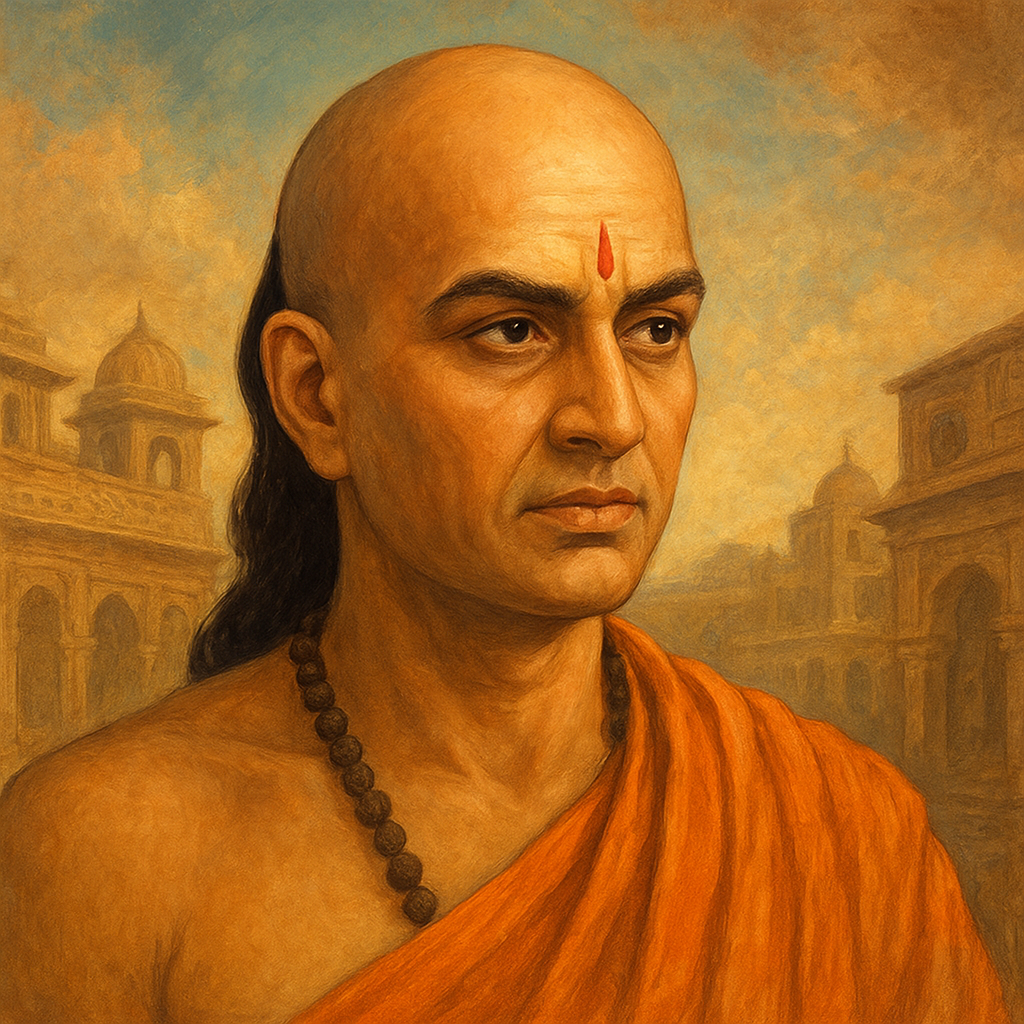
✨ Chanakya Niti ✨
🔴 फिरसे प्रयास करने से मत घबराना,
क्योंकि, इस बार *शुरुआत शून्य से नहीं,
अनुभव से होगी… 💯✔
हर असफलता सीढ़ी बनती है सफलता की ओर।
⛳ आचार्य चाणक्य
✨ Chanakya Niti ✨
🔴 “Don’t be afraid to try again,
because this time, *your beginning will not be from zero,
but from experience… 💯✔
Every failure becomes a stepping stone towards success.”
⛳ Acharya Chanakya
Understanding the Wisdom What Does This Niti Mean?
Chanakya’s words carry profound encouragement for anyone who has faced failure, setback, or disappointment in life. His message is simple yet transformative: Never be afraid to start over.
Many people, after experiencing failure, feel defeated. They believe they have lost everything they invested time, effort, resources, and credibility. The fear of judgment, embarrassment, or repeating the same mistakes holds them back from trying again. But Chanakya challenges this mindset with a powerful truth: When you restart, you are not starting from scratch. You are starting from experience.
This distinction is crucial. A person who tries something for the first time is walking in the dark. They don’t know what obstacles lie ahead, which strategies work, or where the pitfalls are. But someone who has already failed once or even multiple times carries invaluable knowledge. They know what doesn’t work. They understand where they went wrong. They have developed resilience, awareness, and maturity. This accumulated wisdom becomes their biggest asset in the next attempt.
Chanakya uses the metaphor of a staircase: “Har asaflata seedhi banti hai saflata ki or” Every failure becomes a step toward success. Imagine climbing a staircase. Each step takes you higher, even if you pause, stumble, or sit down for a moment. You are still higher than where you started. Similarly, every attempt, even if it ends in failure, raises you to a new level of understanding and capability.
This teaching also highlights an essential aspect of personal growth: resilience. The world respects those who rise after falling, not those who never fall. Falling is inevitable. But rising again with greater strength and clarity is what separates ordinary people from extraordinary achievers.
Another layer of Chanakya’s wisdom is the mindset shift he encourages. Fear is natural, but it should not paralyze you. Fear of failure, fear of judgment, fear of wasting time these emotions can trap you in inaction. Chanakya wants you to replace fear with faith in your experience. Trust that what you learned from past failures will guide you better this time. Trust that you are wiser, stronger, and more prepared than before.
In essence, this Niti is a call to action. It tells you:
✔ Don’t let failure define you.
✔ Don’t let fear stop you.
✔ Don’t believe that starting over means starting from nothing.
✔ Your experience is your foundation build upon it.
This timeless wisdom applies to every sphere of life career, relationships, health, business, and personal goals. Whether you failed an exam, lost a job, faced a business loss, or experienced a personal setback, Chanakya’s message remains the same: Get up. Try again. This time, you’re equipped with experience.
💼 In the Context of Business and Leadership
In the modern business world, Chanakya’s teaching is not just motivational it’s strategic and practical. Entrepreneurship, innovation, and leadership are all fields where failure is not an exception; it’s a part of the process. Let’s explore how this ancient wisdom applies to today’s business landscape.
1. The Startup Culture and the Value of Failure
In the startup ecosystem, there’s a popular saying: “Fail fast, learn faster.” This aligns perfectly with Chanakya’s philosophy. Entrepreneurs and investors now recognize that failure is a teacher, not an enemy. Many of the world’s most successful startups were founded by people who had failed before.
When a founder tries again after a failed startup, they bring:
◦ Market insights understanding what customers truly want.
◦ Operational wisdom knowing how to manage teams, budgets, and timelines.
◦ Emotional maturity handling stress, rejection, and uncertainty with composure.
◦ Network and credibility connections built during the first attempt often remain valuable.
This is what Chanakya meant: Your second attempt is not from zero; it’s from experience.
2. Decision Making in Leadership
Great leaders are not those who never make mistakes. They are those who learn from mistakes and make better decisions the next time. Chanakya himself was a master strategist who believed in learning from every situation victory or defeat.
In business, leaders face constant decision making: hiring, firing, investments, partnerships, product launches, and more. Not every decision will be right. Some will lead to losses. But a wise leader treats every wrong decision as a case study for future reference.
For instance, if a company launches a product that fails in the market, a smart leader will:
◦ Analyze why it failed Was it timing? Pricing? Marketing? Product quality?
◦ Gather customer feedback.
◦ Identify what can be improved.
◦ Use these insights to redesign or pivot.
Leaders who embrace this learning mindset build adaptive and resilient organizations. They create a culture where failure is not feared but analyzed and converted into future success.
3. Risk Taking and Innovation
Innovation requires experimentation, and experimentation involves risk. Many businesses hesitate to innovate because they fear failure. But Chanakya’s teaching encourages bold action backed by learning.
Consider Google’s famous “moonshot” projects. Not all of them succeed. Google Glass, for example, didn’t become mainstream. But the lessons learned from it contributed to later innovations in AR/VR technology. Google doesn’t see failed projects as wasted effort; they see them as research investments that build knowledge for the future.
Similarly, in R&D driven industries like pharmaceuticals or technology, thousands of experiments fail before one succeeds. But each failure provides data, eliminates one wrong path, and brings the team closer to the solution.
Chanakya’s wisdom validates this approach: Every attempt adds value, even if it doesn’t lead to immediate success.
4. Personal Branding and Career Growth
In today’s competitive job market, professionals often switch jobs, change industries, or even restart their careers in a completely new field. Many fear that such changes will make them look unstable or uncommitted. But Chanakya’s teaching reframes this narrative.
When you change careers or try a new role after a setback, you’re not starting from scratch. You bring:
◦ Transferable skills communication, leadership, problem solving.
◦ Industry knowledge understanding of processes, markets, and customer behavior.
◦ Emotional intelligence dealing with challenges, working in teams, managing stress.
Recruiters and employers increasingly value diverse experience. They understand that someone who has navigated failures and pivots is often more adaptable, mature, and resourceful than someone who has followed a single, unchallenged path.
5. Building Resilient Teams and Organizations
Chanakya’s philosophy is also relevant for organizational culture. Companies that punish failure create a culture of fear. Employees become risk averse, avoid innovation, and hide mistakes. On the other hand, companies that encourage calculated risk taking and learning from failure foster creativity and growth.
Leaders should normalize failure as part of the growth process. Celebrate not just successes, but also:
◦ Lessons learned from failures.
◦ Quick recovery and adaptation.
◦ Willingness to try again with new strategies.
When teams know they won’t be punished for honest failures, they feel empowered to experiment, innovate, and push boundaries. This is how breakthrough products and services are born.
6. Financial Resilience and Business Recovery
Business losses are inevitable. Markets crash, products fail, partnerships dissolve, and economies fluctuate. What separates successful entrepreneurs from unsuccessful ones is how they respond to financial setbacks.
Chanakya’s message is clear: Don’t let one failure paralyze you. Many businesses have gone through near bankruptcy and bounced back stronger. Take Apple in the 1990s it was on the brink of collapse. But Steve Jobs returned, learned from past mistakes, and turned Apple into one of the most valuable companies in the world.
When you restart a business after failure, you know:
◦ Which expenses to avoid.
◦ Which partnerships to trust.
◦ Which markets to target.
◦ How to manage cash flow better.
This accumulated wisdom becomes your competitive advantage.
7. The Psychological Edge Confidence Through Experience
One often overlooked benefit of trying again after failure is psychological strength. The second time around, you’re calmer, more focused, and less anxious because you’ve already faced the worst. You know that failure isn’t the end of the world. This mental resilience is a huge asset in high pressure business environments.
Experienced entrepreneurs handle crises better, negotiate with more confidence, and inspire their teams with calm leadership because they’ve been through storms before and survived.
8. Modern Examples of “Starting from Experience”
Let’s look at some real world examples:
Elon Musk SpaceX’s first three rocket launches failed. But Musk learned from each failure, refined the technology, and eventually succeeded. Today, SpaceX is a leader in space exploration.
Jack Ma Before founding Alibaba, Jack Ma faced multiple rejections and failures. He was rejected from jobs, colleges, and even KFC. But each rejection taught him resilience and determination, which he used to build one of the world’s largest e commerce empires.
Colonel Sanders (KFC) He started KFC at age 65 after numerous business failures. His experience in the food industry, despite past setbacks, became the foundation of a global brand.
These examples prove Chanakya’s wisdom: When you try again, you’re not starting from zero. You’re starting from experience, wisdom, and strength.
🌱 Final Thought The Staircase to Success
Chanakya’s teaching is a reminder that success is not a straight line. It’s a staircase, and every failure is a step that lifts you higher. The key is to keep climbing, even if you slip or pause.
In business and life, those who embrace this mindset become unstoppable. They don’t fear failure; they respect it as a teacher. They don’t see setbacks as endpoints; they see them as setups for comebacks.
So, if you’ve failed once, twice, or even multiple times, remember Chanakya’s words:
“Don’t be afraid to try again, because this time, your beginning is not from zero it’s from experience.”
And experience, my friend, is the most powerful asset you can have.
Get up. Learn. Adapt. And try again.
Your success story is waiting on the other side of your next attempt. ✨💪Take the example of companies like Airbnb, Slack, or even WhatsApp all were born from pivots or previous failed attempts. The founders didn’t give up. Instead, they used their experience from earlier ventures to build something better. They understood customer pain points, market dynamics, and operational challenges because they had lived through them.