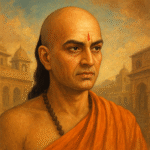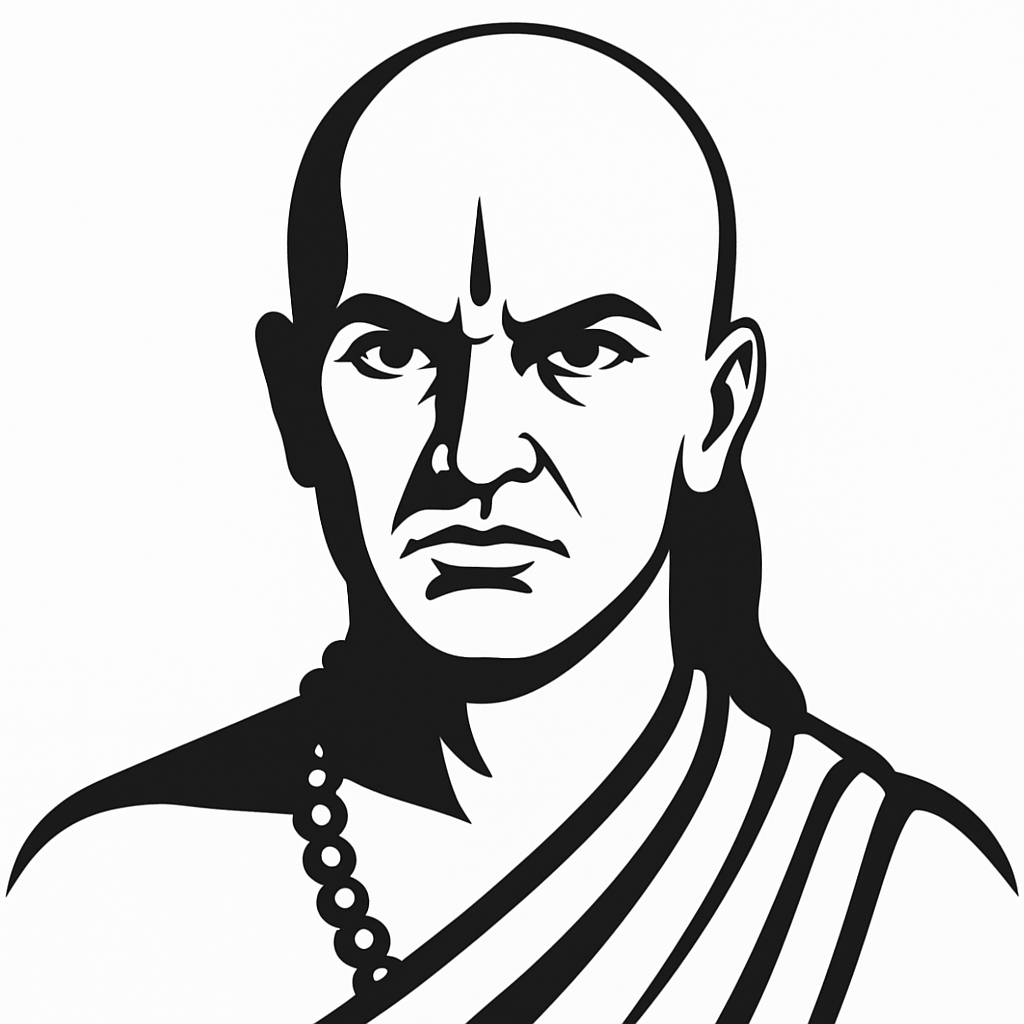
🌿चाणक्य नीति 🌿
“अकेले रहने का आनंद लेना सीखें,
क्योंकि कोई भी हमेशा के लिए
आपके साथ नहीं रहेगा…
जो स्वयं के साथ सुखी रहना जानता है,
वही संसार में सबसे स्वतंत्र होता है।”
आचार्य चाणक्य
🍁🍂🍁🍂🍁🍂🍁🍂🍁🍂🍁🍂
🌿Chanakya Niti 🌿
“Learn to enjoy the pleasure of being alone,
because no one will stay with you forever…
The one who knows how to be happy with oneself,
is the most free person in the world.”
Acharya Chanakya
🍁🍂🍁🍂🍁🍂🍁🍂🍁🍂🍁🍂
Understanding the Wisdom What Does This Niti Mean?
Chanakya’s profound words touch upon one of life’s most essential yet often overlooked truths: the importance of learning to be comfortable with yourself. In a world that constantly emphasizes relationships, connections, and social bonds, this teaching reminds us that true freedom and happiness begin with self sufficiency.
The first part of the Niti states, “Learn to enjoy the pleasure of being alone, because no one will stay with you forever.” This is not a pessimistic statement about abandonment, but rather a realistic acknowledgment of life’s impermanence. People come and go in our lives parents, friends, partners, colleagues. Some relationships last decades, others mere moments. But the one constant companion we have from birth to death is ourselves.
Many people fear solitude. They equate being alone with being lonely. But Chanakya distinguishes between these two states. Loneliness is a painful feeling of emptiness and isolation, while solitude is a peaceful state of self awareness and contentment. The ability to enjoy your own company is a sign of emotional maturity and inner strength.
The second part delivers the core message: “The one who knows how to be happy with oneself, is the most free person in the world.” This is where Chanakya elevates the concept from mere acceptance to true liberation. When your happiness depends on others their presence, their approval, their attention you become a prisoner of circumstances. Your emotional state fluctuates based on external factors beyond your control.
But when you cultivate inner contentment, you break free from these chains. You’re no longer desperate for validation or terrified of rejection. You can enjoy relationships without clinging to them. You can appreciate people’s presence without fearing their absence. This is true freedom emotional independence.
This teaching is particularly relevant in today’s hyperconnected world. We’re constantly surrounded by people, yet paradoxically, many feel more alone than ever. Social media gives us the illusion of connection while often increasing our sense of inadequacy. We compare our lives to others’ highlight reels and feel lacking. We measure our worth by likes, comments, and followers.
Chanakya’s wisdom offers an antidote: turn inward. Develop a rich inner life. Learn to enjoy your own thoughts, your own company, your own pursuits. This doesn’t mean becoming antisocial or rejecting relationships. It means building a strong foundation within yourself so that relationships enhance your life rather than define it.
💼 In the Context of Business and Leadership
In the modern business landscape, Chanakya’s teaching on solitude and self reliance is not just philosophical wisdom it’s a practical strategic advantage. Leaders, entrepreneurs, and professionals who master the art of being comfortable with themselves often outperform those who constantly seek external validation or depend heavily on others. Let’s explore how this ancient wisdom applies to today’s business world.
1. Independent Thinking and Decision Making
Great leaders must often make tough decisions alone. When you’re comfortable with solitude, you’re better equipped to think independently without being swayed by groupthink or popular opinion. History’s most successful business leaders Steve Jobs, Warren Buffett, Jeff Bezos often made contrarian decisions that others questioned. They had the inner strength to trust their judgment even when standing alone.
In business, consensus doesn’t always lead to innovation. Sometimes the best ideas come from quiet reflection, not crowded boardrooms. Leaders who can sit with problems in solitude often arrive at more creative, authentic solutions.
2. Emotional Resilience in Entrepreneurship
Entrepreneurship can be a lonely journey. There will be times when nobody believes in your vision, when investors reject you, when customers criticize you, when even family questions your choices. If you’re not comfortable being alone with your thoughts and convictions, these moments can break you.
Successful entrepreneurs have learned to find strength in solitude. They use alone time for:
◦ Strategic thinking without distractions
◦ Processing failures and setbacks privately
◦ Recharging emotionally and mentally
◦ Connecting with their core purpose and vision
This self reliance becomes a competitive advantage. While others crumble under pressure or constantly seek reassurance, emotionally independent entrepreneurs stay focused and resilient.
3. Leadership Authenticity
Leaders who are comfortable with themselves don’t need to wear masks or play roles. They can be authentic because their sense of self isn’t fragile or dependent on others’ perceptions. This authenticity builds trust and inspires teams far more effectively than manufactured personas.
When you’re secure in your own company, you’re less likely to:
◦ Make decisions to impress others
◦ Surround yourself with yes men
◦ Take criticism personally
◦ Lead from ego rather than purpose
4. Work Life Balance and Mental Health
In today’s always on business culture, the ability to be alone has become a crucial mental health skill. Leaders and professionals who can’t disconnect often burn out. They feel compelled to constantly network, respond to messages immediately, or attend every social event.
But those who embrace Chanakya’s wisdom understand that solitude is not isolation it’s restoration. They schedule alone time as deliberately as they schedule meetings. They use it for:
◦ Deep work and creative thinking
◦ Meditation and mindfulness
◦ Reading and learning
◦ Simply being without doing
Companies like Google and Apple have recognized this, creating quiet spaces and encouraging downtime. They understand that innovation often happens in moments of solitude, not constant collaboration.
5. Reducing Dependency in Business Relationships
In business, dependency creates vulnerability. If your success depends entirely on one client, one partner, or one team member, you’re at risk. Similarly, if your self worth depends entirely on others’ approval, you’re emotionally vulnerable.
Chanakya’s teaching helps build business resilience by fostering self reliance. Leaders who are comfortable alone:
◦ Can walk away from bad deals without fear
◦ Don’t compromise values for acceptance
◦ Build diverse networks rather than clinging to few relationships
◦ Make strategic decisions based on data and vision, not social pressure
This doesn’t mean avoiding partnerships or collaboration. It means entering them from a position of strength rather than neediness.
6. The Solo Founder Advantage
Many successful companies were built by solo founders who spent significant time alone with their ideas before bringing in teams. Bill Gates, Mark Zuckerberg, and Sara Blakely (Spanx) all spent considerable time in solitary work before their companies grew.
Solo work allows:
◦ Unfiltered creativity
◦ Rapid iteration without consensus delays
◦ Deep focus on product and vision
◦ Building core competencies independently
Even in team environments, carving out solo work time is crucial for productivity and innovation.
🌱 Final Thought The Freedom of Self Sufficiency
Chanakya’s wisdom on solitude is ultimately a teaching about freedom. Not the freedom to do whatever you want, but the deeper freedom to be whoever you are without needing constant external validation.
In both life and business, this freedom is transformative. It allows you to:
✔ Take risks others won’t take
✔ Stand by unpopular but correct decisions
✔ Build deep, authentic relationships from choice, not need
✔ Recover from setbacks without falling apart
✔ Create from a place of genuine inspiration, not desperation for approval
Learning to enjoy your own company is not about becoming a hermit or rejecting human connection. It’s about building such a strong relationship with yourself that all other relationships become optional enhancements rather than desperate necessities.
In the words of Chanakya: “The one who knows how to be happy with oneself, is the most free person in the world.”
This is true freedom. And in business, as in life, freedom is the ultimate competitive advantage.
So take time today to be alone. Not because you have to, but because you choose to. Discover the strength, clarity, and peace that comes from your own company. That’s where true leadership begins. 🌿✨