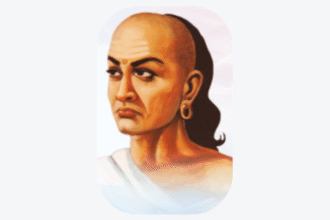

🌿चाणक्य नीति 🌿
एक महान व्यक्ति अपने प्रति कठोर होता है;
क्योंकि वह स्वअनुशासन में विश्वास करता है,
और स्वयं को सुधारने में ही अपनी शक्ति मानता है।
एक छोटा आदमी दूसरों के प्रति कठोर होता है;
क्योंकि वह दूसरों की कमियों को गिनता है,
पर खुद की गलतियों से आँखें मूँद लेता है।
आचार्य चाणक्य
🍃🔥🍃🔥🍃🔥🍃🔥🍃🔥🍃
🌿Chanakya Niti 🌿
A great person is tough on themselves,
because they believe in self discipline,
and see their power in self improvement.
A small minded person is tough on others,
because they count others’ flaws,
but close their eyes to their own mistakes.
Acharya Chanakya
🍃🔥🍃🔥🍃🔥🍃🔥🍃🔥🍃
Understanding the Wisdom What Does This Niti Mean?
Chanakya’s timeless wisdom cuts to the heart of personal growth and character development. This teaching draws a clear distinction between greatness and mediocrity, not based on wealth, status, or achievements, but on how individuals handle their own shortcomings versus those of others.
The phrase “a great person is tough on themselves” speaks to the practice of self accountability. Great individuals hold themselves to high standards. They don’t make excuses when they fail. Instead, they analyze what went wrong, take responsibility, and commit to improvement. This self discipline isn’t about self criticism or perfectionism. It’s about honest self assessment and the courage to change.
Self discipline is the cornerstone of all achievement. When you’re tough on yourself, you develop resilience. You learn to push through discomfort, delay gratification, and stay committed to long term goals even when immediate results aren’t visible. This internal accountability creates a strong foundation for growth.
In contrast, “a small minded person is tough on others” reveals a defensive mindset. Instead of looking inward, such individuals project outward. They’re quick to point out others’ mistakes while ignoring their own. This behavior stems from insecurity. By focusing on others’ flaws, they deflect attention from their own inadequacies.
This pattern is destructive because it prevents growth. If you’re always blaming others, you never develop the self awareness necessary for improvement. You remain stuck in a cycle of judgment and defensiveness. Meanwhile, the person who focuses on self improvement continuously evolves.
Chanakya’s message is clear: true strength lies in mastering yourself, not in criticizing others. Greatness is built through self discipline, self awareness, and a relentless commitment to becoming better. Those who understand this principle rise. Those who don’t, remain small.
💼 In the Context of Business and Leadership
In today’s competitive business world, Chanakya’s teaching on self discipline versus blaming others is more relevant than ever. Leaders, entrepreneurs, and professionals who embrace self accountability create cultures of excellence, while those who blame others breed toxicity and stagnation. Let’s explore how this ancient wisdom applies to modern business challenges.
1. Leadership Accountability and Ownership
Great leaders take responsibility for their teams’ failures. When a project fails or a deal falls through, they don’t point fingers. Instead, they ask, “What could I have done differently? How can I lead better next time?” This mindset creates psychological safety within teams.
Consider leaders like Satya Nadella at Microsoft. When he took over, he shifted the company culture from one of internal competition and blame to one of growth mindset and accountability. He encouraged leaders to own their mistakes and learn from them. This cultural shift transformed Microsoft into one of the world’s most innovative companies.
In contrast, leaders who blame their teams, market conditions, or competitors never build trust. Employees become defensive, innovation stalls, and the organization suffers. Self disciplined leadership creates high performing teams.
2. Continuous Learning and Skill Development
Professionals who are tough on themselves invest heavily in learning. They recognize skill gaps and work to close them. They read, take courses, seek mentorship, and constantly upgrade their capabilities. This self discipline keeps them relevant in rapidly changing industries.
In the tech industry, for example, successful professionals don’t blame obsolescence on the industry. They proactively learn new technologies, languages, and frameworks. They understand that staying current is their responsibility, not their employer’s.
Small minded individuals, however, complain about being left behind. They blame the fast pace of change rather than taking ownership of their learning. This victim mentality ensures they remain stuck.
3. Customer Feedback and Product Improvement
Successful companies embrace criticism. When customers complain, they see it as valuable feedback, not personal attack. They’re tough on their products and services, constantly seeking ways to improve. This self critical approach drives innovation.
Amazon’s leadership principle “Customer Obsession” embodies this. Jeff Bezos famously left an empty chair in meetings representing the customer. When issues arose, the focus was on improving the customer experience, not defending decisions. This self accountability made Amazon the customer centric giant it is today.
Companies that blame customers for not understanding their product or blame competitors for their failures never improve. They stagnate and eventually fail.
4. Financial Discipline and Business Sustainability
Entrepreneurs who practice financial self discipline build sustainable businesses. They track metrics rigorously, cut unnecessary expenses, and make tough decisions about resource allocation. They hold themselves accountable for every dollar spent.
During economic downturns, disciplined businesses survive while undisciplined ones collapse. The difference isn’t luck or external factors. It’s the discipline to prepare, adapt, and make difficult choices.
Businesses that blame the economy, regulations, or competition for their financial troubles rarely recover. Self accountability in financial management is the foundation of long term success.
5. Team Culture and Performance Management
Managers who apply self discipline to their own performance set the standard for their teams. They model the behavior they expect. If they demand punctuality, they’re never late. If they expect quality work, they deliver quality themselves. This integrity builds respect.
Performance management becomes constructive when it’s about growth, not blame. Great managers focus on developing their team members, providing resources and coaching. They see team failures as opportunities to improve their management skills.
Managers who constantly criticize their teams while excusing their own shortcomings create toxic environments. Employees disengage, turnover increases, and performance suffers.
6. Entrepreneurial Resilience and Pivoting
Successful entrepreneurs are brutally honest about what’s working and what’s not. When a strategy fails, they pivot. They don’t waste time blaming market conditions or bad luck. They analyze, learn, and adjust.
This self critical approach is what separates successful startups from failed ones. Companies like Instagram, Slack, and YouTube all started as different products. Their founders were disciplined enough to recognize when something wasn’t working and pivot accordingly.
Entrepreneurs who blame external factors for their failures rarely succeed on their next attempt. Self accountability is the key to entrepreneurial learning and eventual success.
🌱 Final Thought The Power of Self Accountability
Chanakya’s wisdom reminds us that greatness is forged in the fire of self discipline. Being tough on yourself isn’t about self punishment. It’s about taking radical ownership of your life, your decisions, and your growth.
In both life and business, this principle is transformative:
✔ Take full responsibility for your results, good or bad
✔ Focus on what you can control: your actions, your reactions, your effort
✔ View mistakes as learning opportunities, not failures to hide
✔ Hold yourself to higher standards than you hold others
✔ Build the discipline to do what’s right, not what’s easy
The moment you stop blaming others and start improving yourself, everything changes. You gain control. You build confidence. You develop skills. You earn respect. This is the path of the great person.
In the words of Chanakya: “A great person is tough on themselves, because they believe in self discipline, and see their power in self improvement.”
So choose today to be great. Not by criticizing others, but by mastering yourself. That’s where true strength, true leadership, and true freedom begin. 🍃🔥